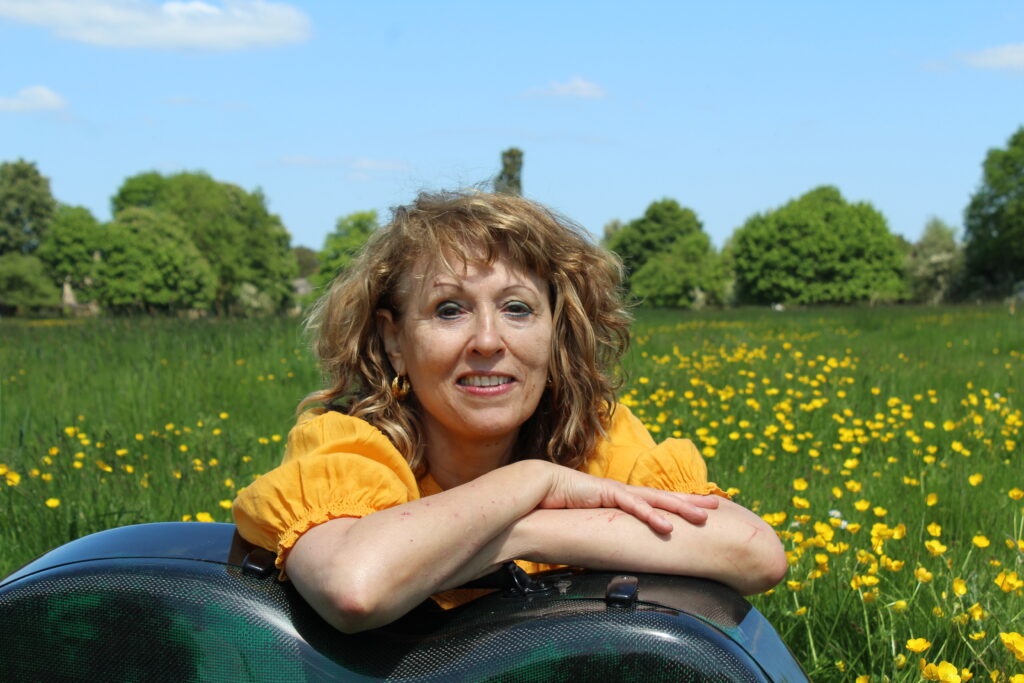
At a time when many people slow down, grandmother and composer Joanna Borrett keeps moving forward. Her music is now part of the Joanna Borrett Trinity syllabus journey, where students study her works alongside Bach, Mozart, and Elgar. This achievement places her in the same spotlight as some of history’s greatest names.
A Journey Behind the Joanna Borrett Trinity Syllabus
Joanna Borrett’s path to the Trinity syllabus shows how passion can change a life. After a 20-year break from performing, she returned with new energy. She taught herself to improvise, then found the courage to compose. Her first piece, Morning Prelude, was written for her twin grandsons and opened the door to a new career.
Her success includes:
- Three of her works added to the Trinity exam syllabus.
- Airplay on BBC Radio 3 and Magic Classical.
- Her orchestral work Clan performed at Holyrood Palace.
- Clan chosen as Album of the Weekend by Scala Radio.
Breaking Barriers in Classical Music
Most names on the Trinity syllabus are legendary: Bach, Bizet, Mozart, Elgar. Yet Joanna Borrett now stands among them. Her piece Ceilidh is in the Grade 4 viola syllabus, while One Morning and Ceilidh (from Clan) are in the Grade 5 and 6 cello lists.
Joanna says:
“When I see my name on the Trinity syllabus, I feel thrilled. I hope my story shows that age should never hold anyone back.”
Music and Inspiration Without Age Limits
Joanna Borrett proves that creativity has no deadline. Her debut album Moments of Freedom arrives this autumn. Like her place in the Joanna Borrett Trinity syllabus, the album reflects a larger mission: showing that music — and ambition — can thrive at any age.
Her journey is an inspiration to students, teachers, and music lovers alike.
Follow Joanna Borrett: